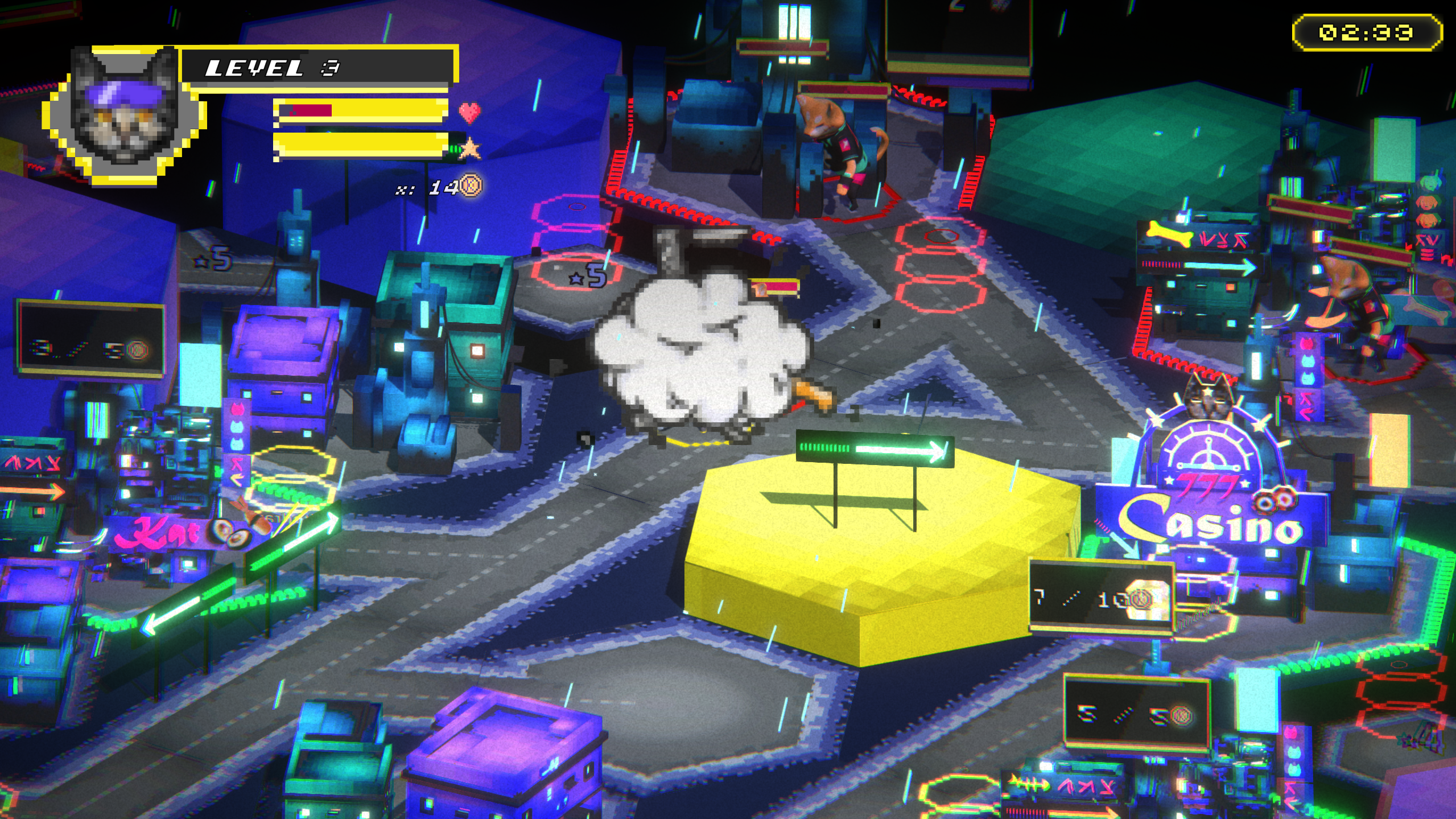
For this project, our team was asked to develop a hyper-casual mobile game. With FurCity Survival we tried to create a fusion between hyper-casual and survival games, asking ourselves how could we keep strategic depth of resource gathering, base building, and territory control while making it accesible enough to pick up and play in short sessions.
We leaned into a cyberpunk aesthetic with animal gangs to appeal to a wider, more casual audience than just survival game fans. The hex-tile fog-of-war wywtem was the key design hook: players invest resources to reveal tiles, creating a loop where exploration is a strategic decision.
I worked as Game Designer on a team of 6 over the course of 1 month:
The design is centered on simplifying survival mechanics without gutting what makes them satisfying. We reduced interactions to just the movement: get close to a point of interest, to interact. Collect, build, unlock, or fight all use player positioning.
The hex-tile map was the strategic backbone. Starting from a small visible area, players choose which tiles to reveal based on partial hints visible through the "fog". This turned exploration into a matter of resource management. Where do you expand next? To what will you give priority?
Sadly, to reach a playable state, we made many cuts to the original concept, resulting in a game that is very different from the one we started with. The scope outpaced what we could polish within the project timeline, and the build had significant bugs.
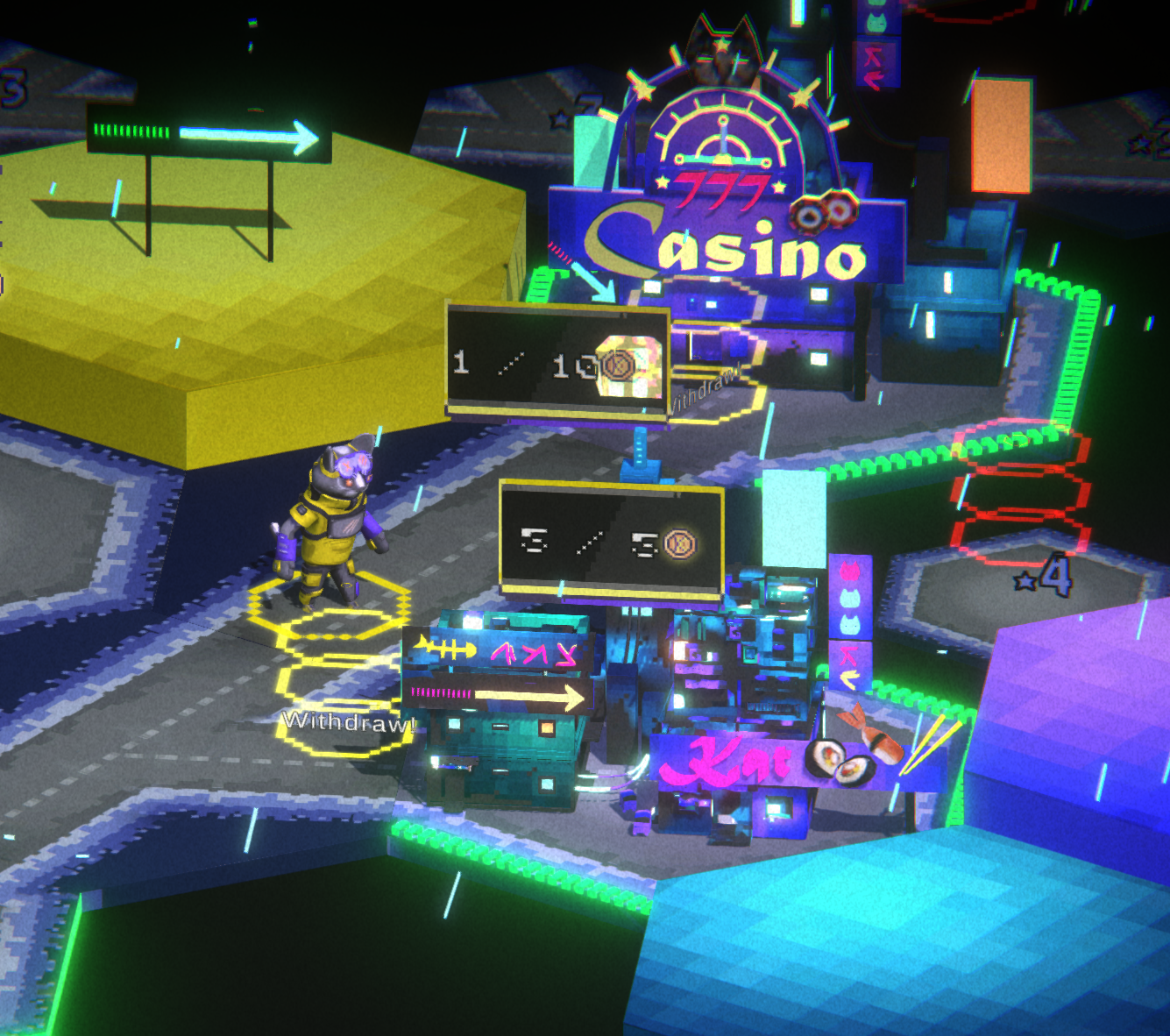
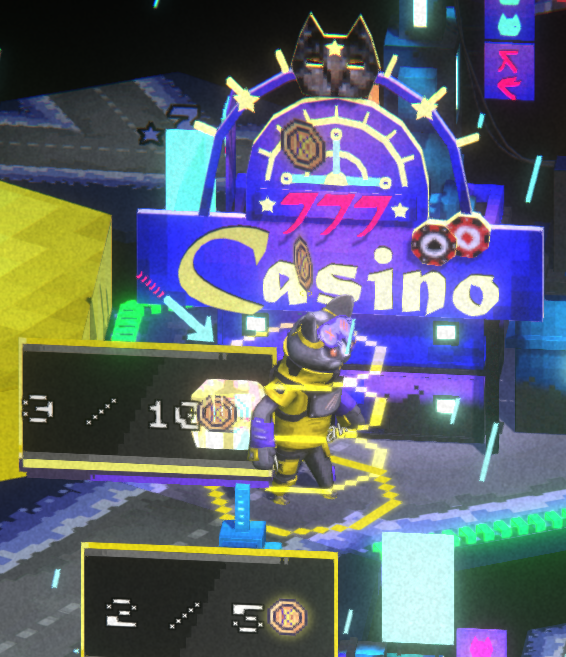
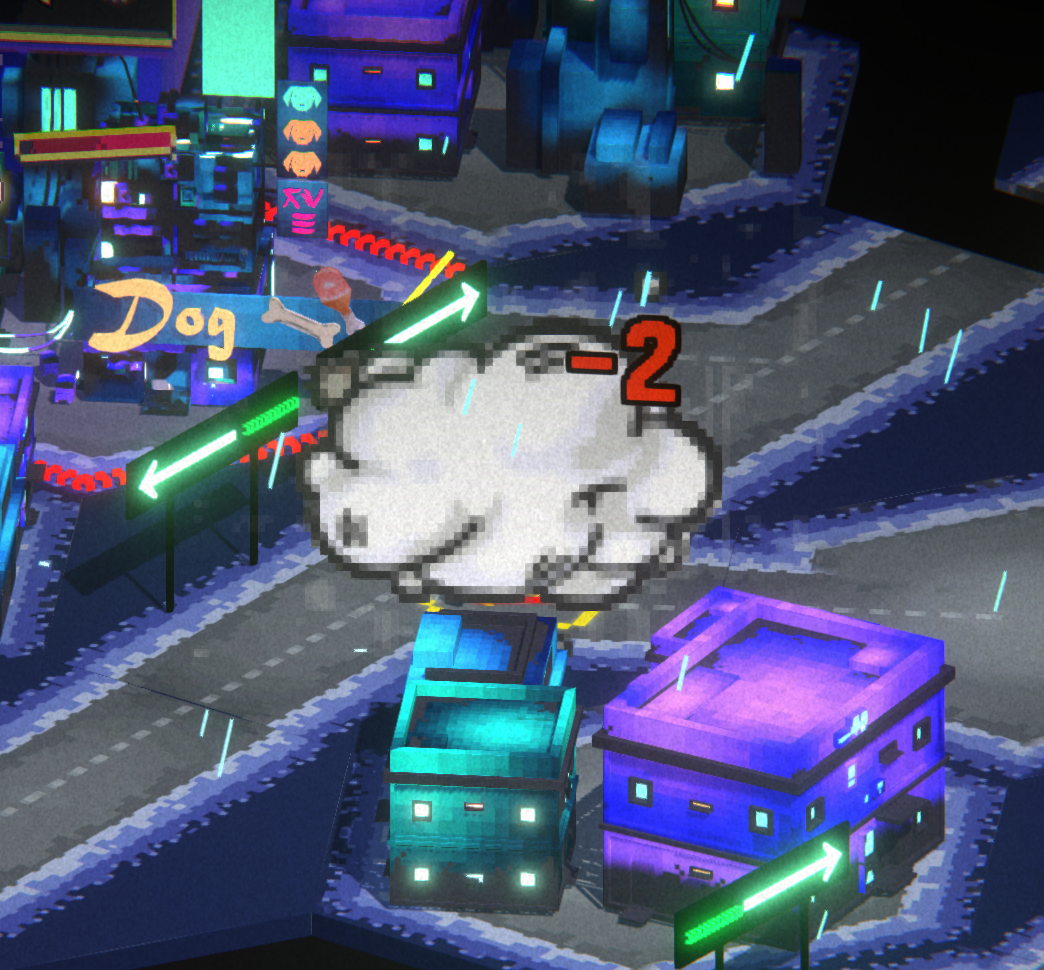
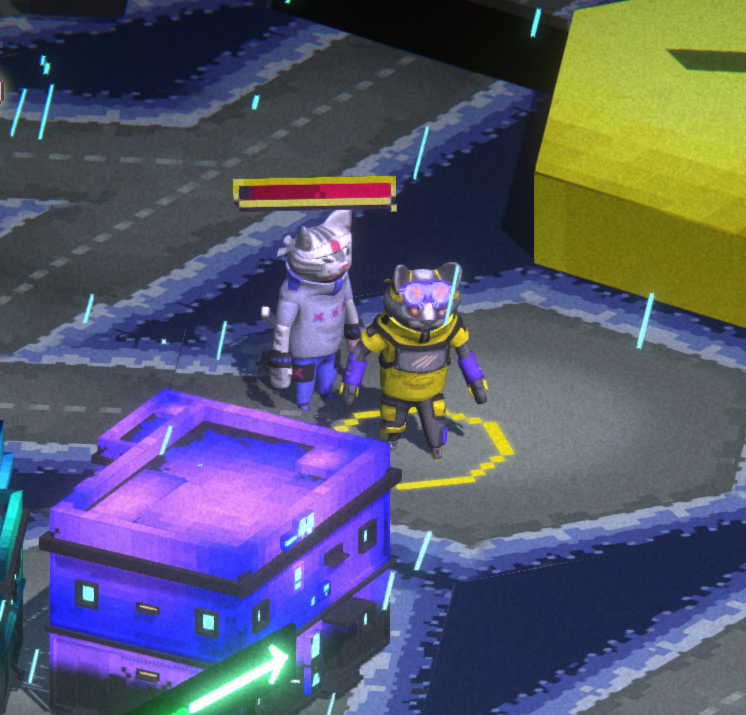
The single-button interaction philosophy held up well in testing. Players understood controls almost immediately.
The aesthetic was on point, with more polish we could achieve a really charming game.
The resource economy needed a lot more iteration. We had the collection and spending loops designed, but other layers (combat and gang) added complexity making it chaotic rather than deep. I'd cut or simplify those system significantly.
Scope management. The pitch was very ambitious for a team of 6 in just a month, a tighter initial scope focused on nailing the core loop before adding anything else would have resulted in a more polished final build.
Design documentation, pitch decks, and reference materials from this project.