We set out to build a survival experience rooted in scarcity, tension, and the constant feeling of being on the brink of failure. We wanted to create a world that feels open and threatening while still guiding players through a clear progression and we wanted players to feel lost but never actually be lost while also providing powerful in-game narrative.
As Game Designer, my aim was to design systems, game areas and encounters, and oversee the team’s design decisions. I also maintained constant communication with the artists and programmers:
Lastly, as Project Manager, my role was to manage the project using an Agile Scrum framework, ensuring that the milestones for each sprint were met. To do this, I kept the task backlog up to date to ensure that no team members were left idle, and I encouraged communication through weekly stand-up meetings.
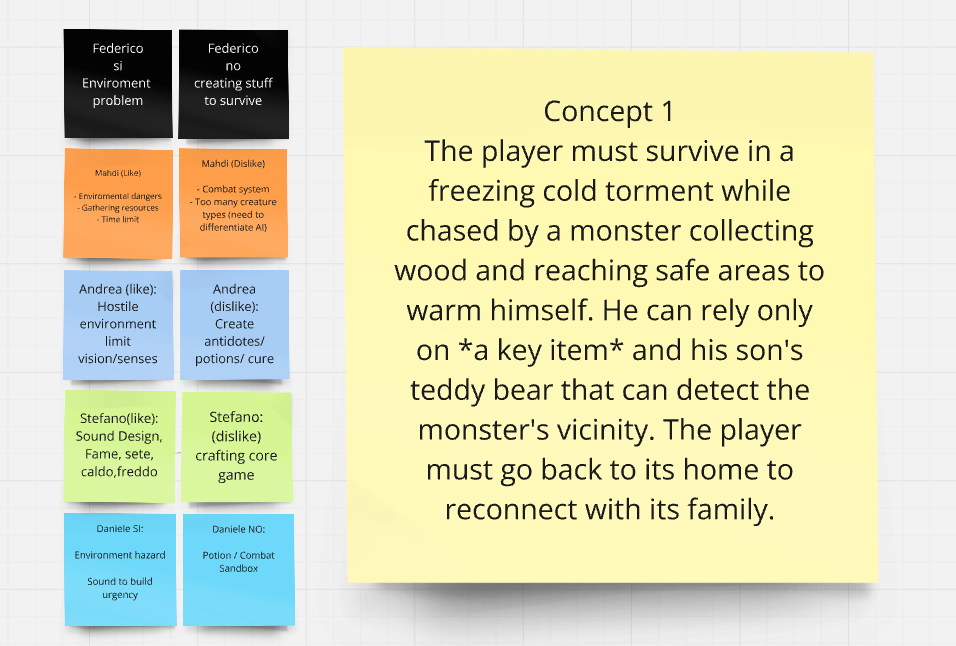
I structured the ideation process around three phases: diverging to generate volume, discussing to introduce scope constraints, and finally converging on a concept that resonated with the whole team. From there, I identified core systems, assigned prototype priorities, and built a pitch deck and initial GDD. During prototype phase, we tested the prototype externally, and I compiled a feedback analysis that showed problems early enough to reshape the concept and change direction before committing to full production.
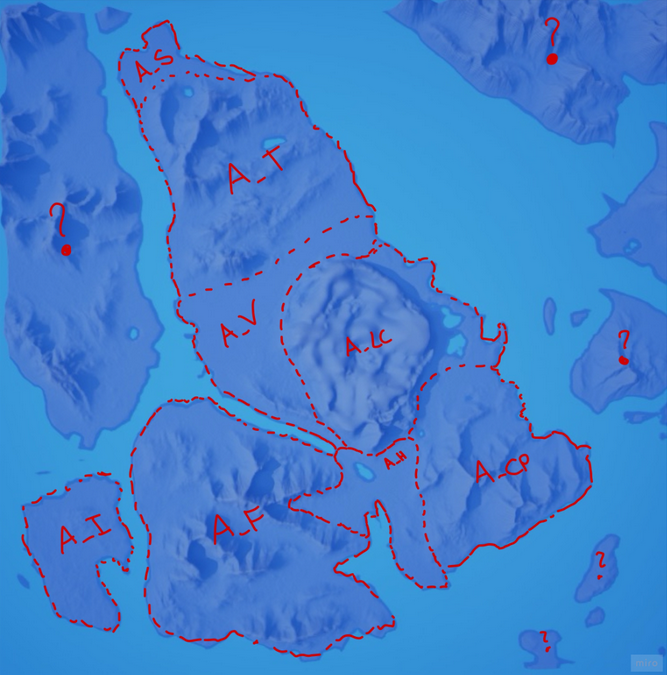
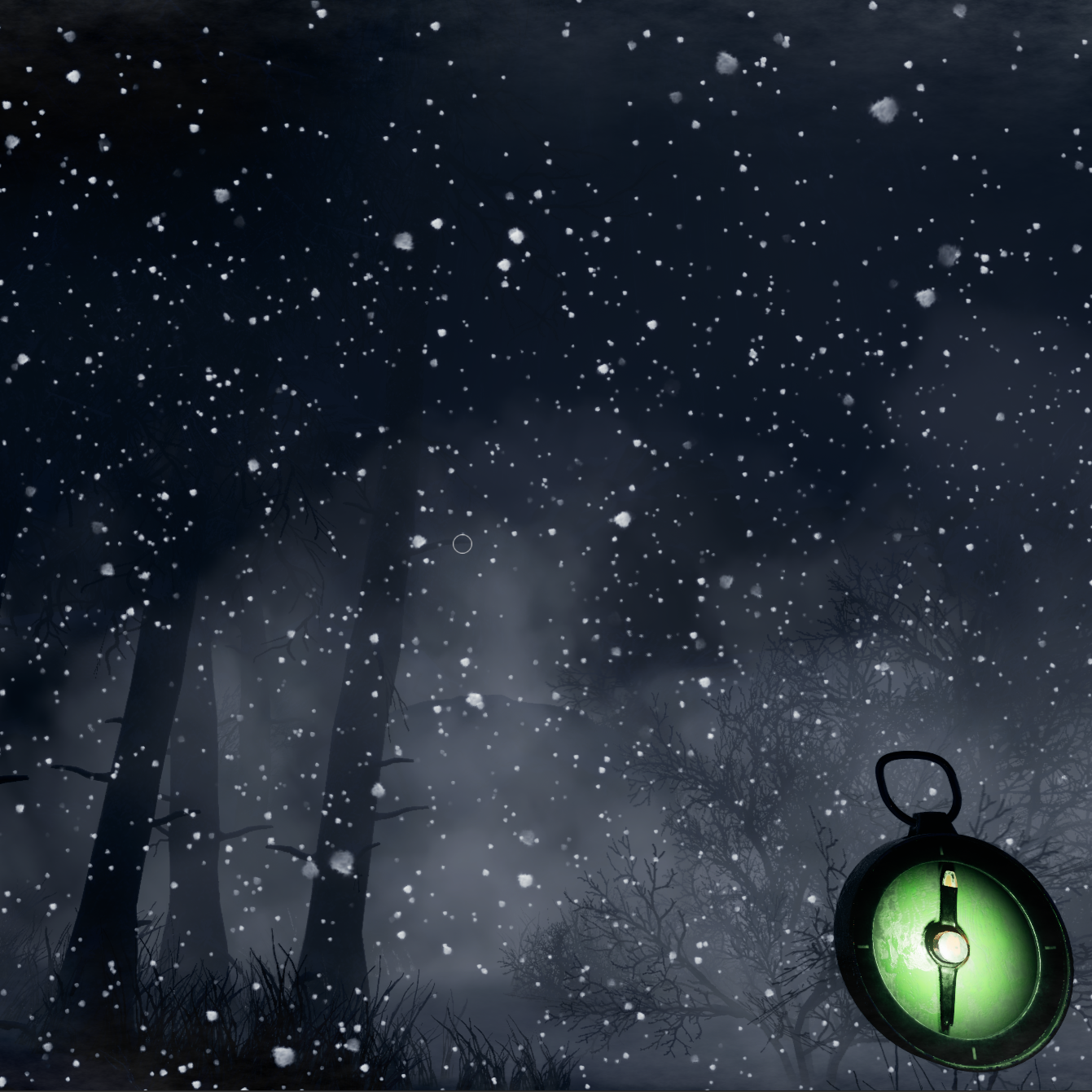
Progression followed a metroidvania-style structure, players found objects that allow them to reach new areas, with each zone escalating in difficulty through a creature aggression rating system (image 2 and 3). The goal was to create the illusion of open-world freedom while maintaining tight directional control.
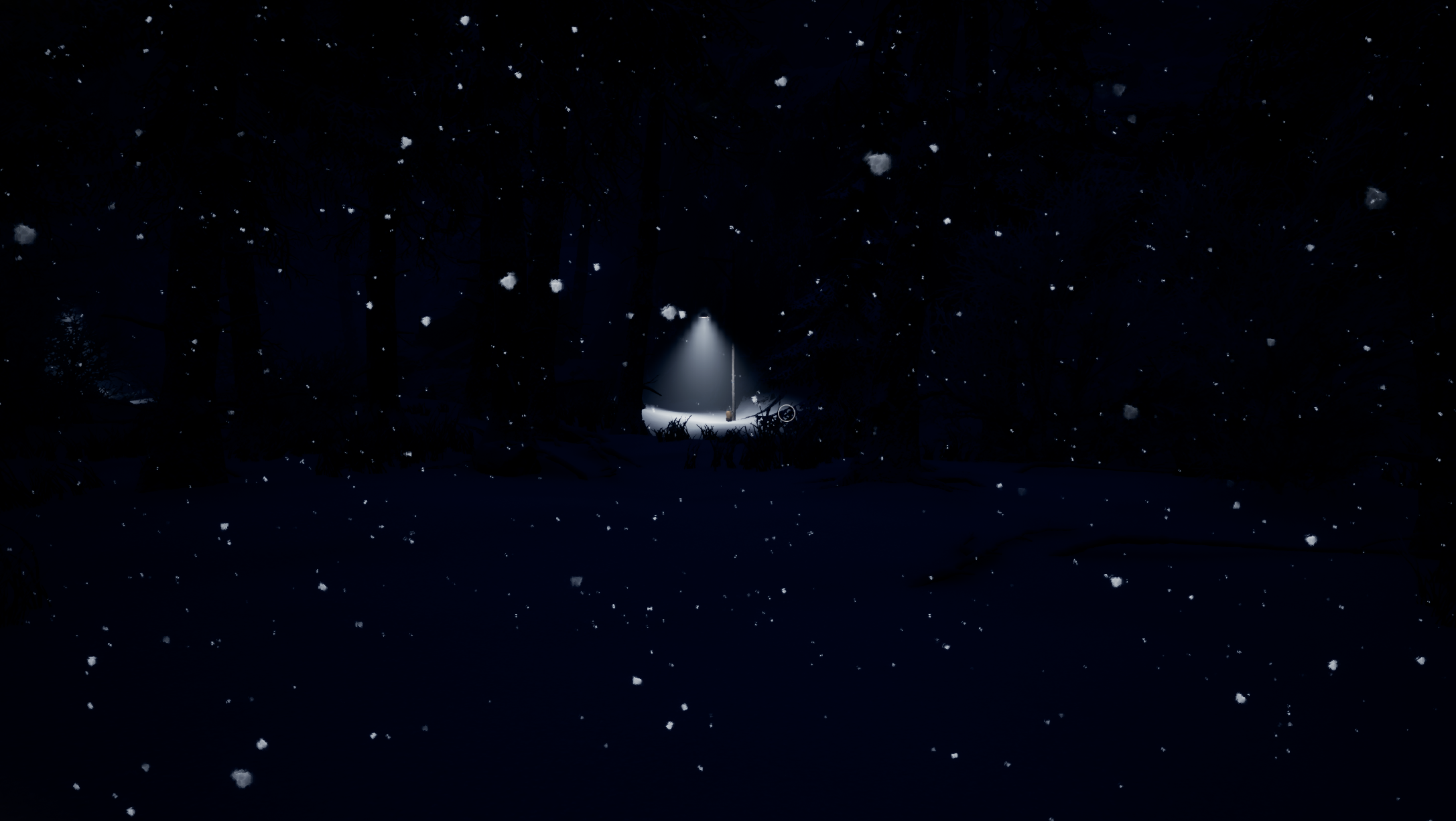
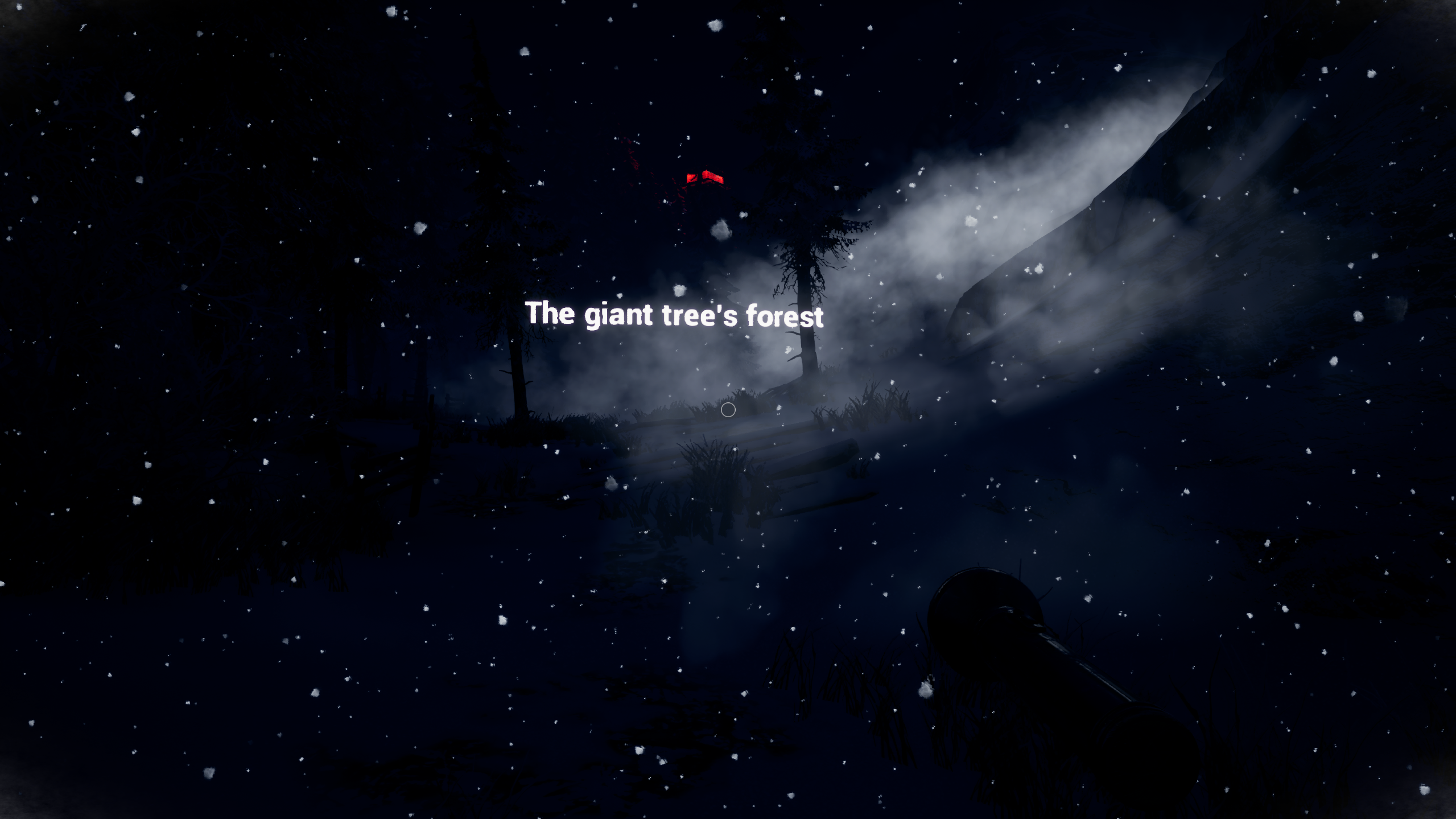
Challenge: Players needed to feel free but never lost in a world built on total darkness. We solved this through layered guidance, dividing the map into distinct areas with unique landmarks (image 1 and 4), introducing a compass as an early pickup (image 3 and 5), using strategic lighting to pull players toward points of interest (image 6), and by incorporating dialogue cues as a narrative tool and, implicitly, as confirmation that they were on the right track (image 7).
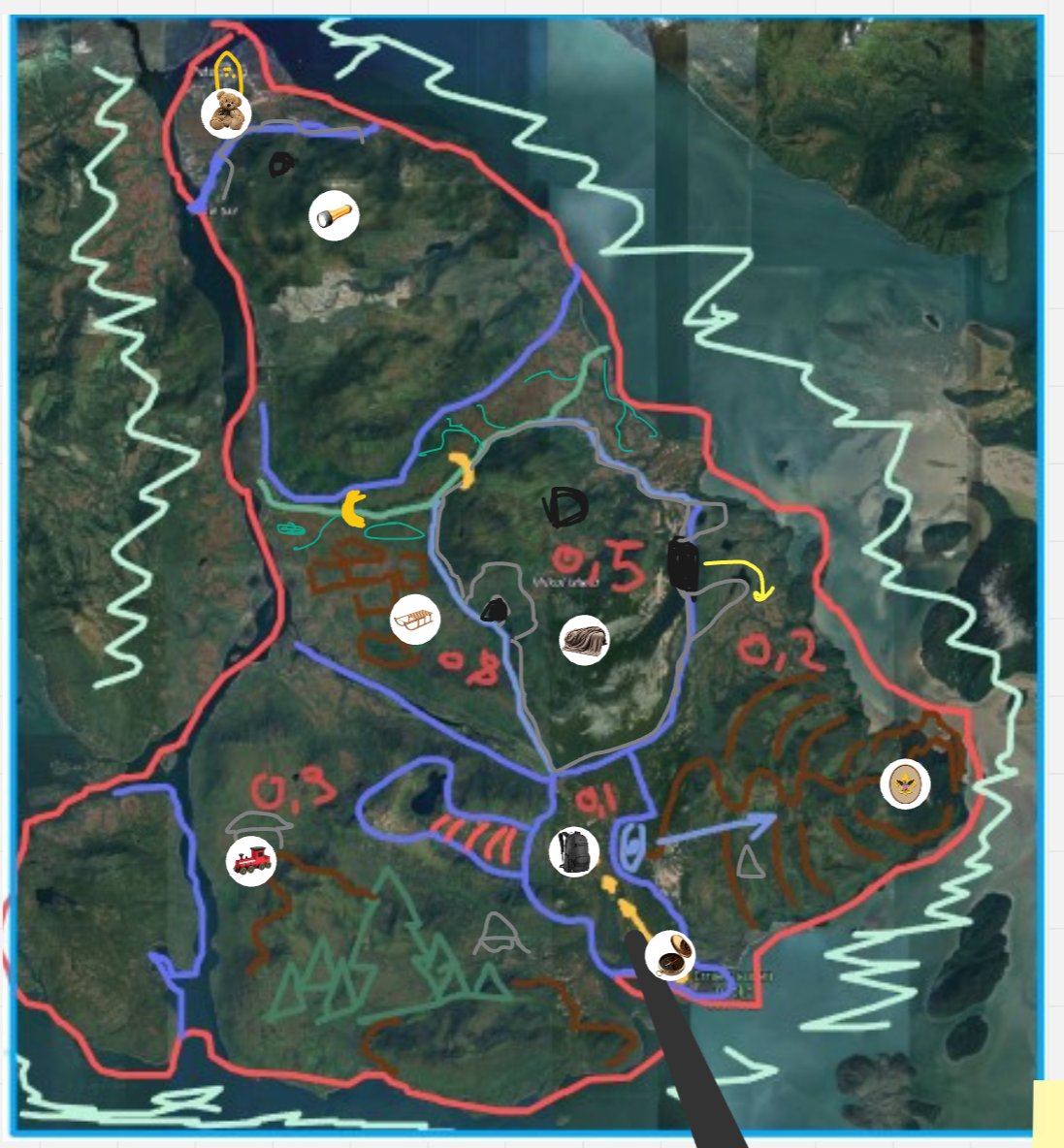
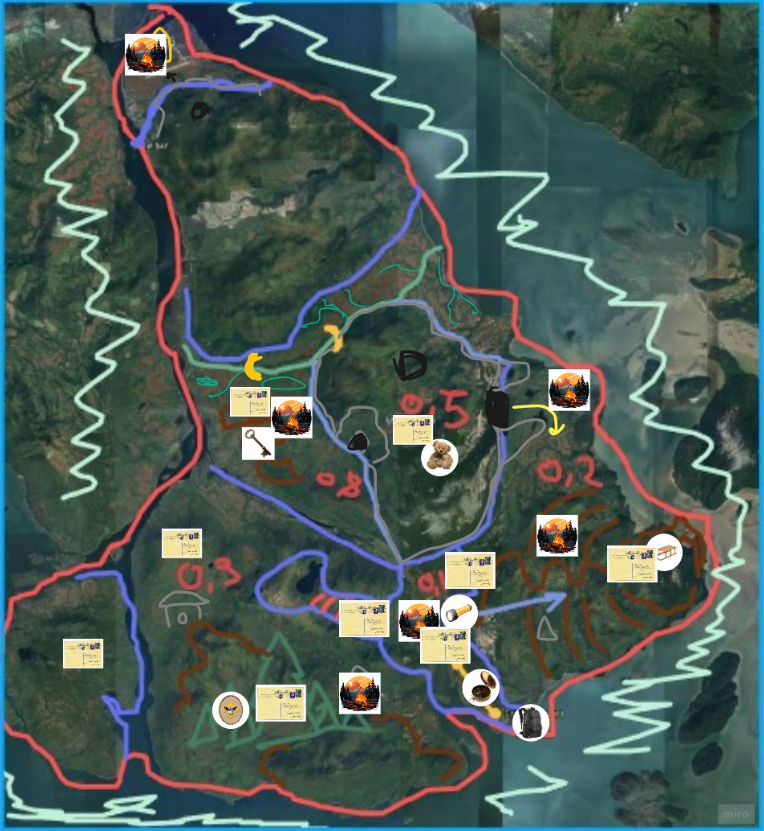
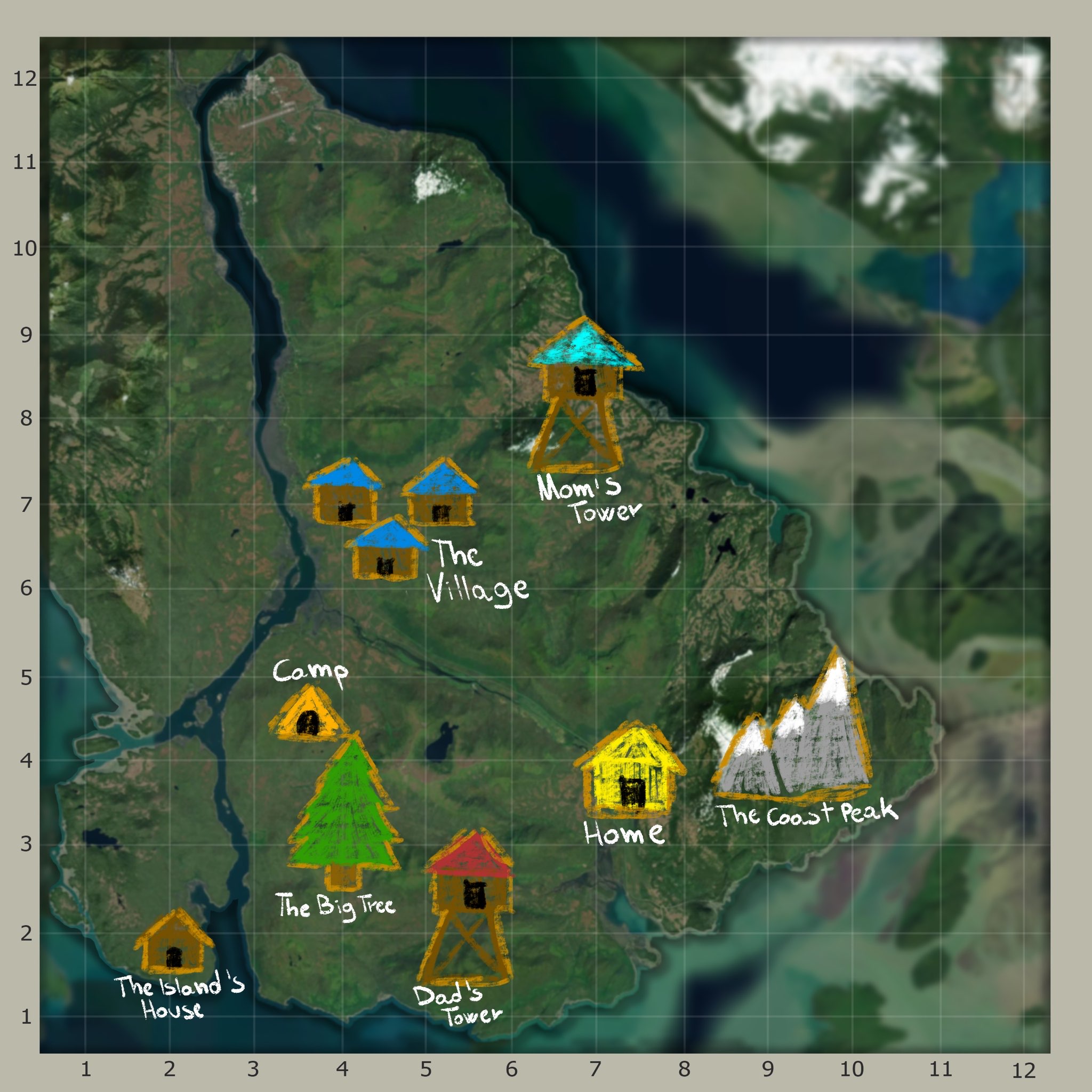
During production I owned the map layout, area-level design, overall pacing, and progression structure. I also handled UI and menu design, wrote and maintained the GDD on Confluence, and led the final polish pass: lighting, materials, SFX placement, dialogue positioning, and audio.
Running two separate test rounds, one with returning players from the prototype, one with fresh eyes. This gave us a clear before/after picture. The feedback documents I produced became the team's decision-making backbone for prioritization.
The metroidvania-style gating solved the open-world navigation problem elegantly. Players reported feeling like they were exploring freely, even though their path was carefully constrained.
The darkness mechanic pushed some players too far toward caution, slowing the pace more than intended. I'd calibrate the aggression curve earlier with more playtesting per zone.
The GDD evolved significantly between prototype and final build. In hindsight, I'd keep it slimmer in the early versions and version the document more formally to keep a clearer audit trail of design decisions and their rationale.
Design documentation, pitch decks, and reference materials from this project.